
Traceable Design Process
The design process for automotive sound-insulation mats is a systematic undertaking that requires a comprehensive approach, integrating acoustic principles, materials science, and overall vehicle structure.
The GCI engineering team’s initial step is to clearly define the client’s requirements, prioritizing the full satisfaction of their demands as our primary objective. Our designers focus on the following key considerations:
- Vehicle Platform Parameters: Fuel type (ICE/EV), body structure (unibody/body-on-frame), wheelbase, ground clearance, and wiring harness routing;
- Noise Source and Propagation Path Analysis: Identifying primary noise sources—such as the engine, tire noise, road noise, and wind noise—and analyzing how they transmit into the cabin through sheet metal structures (e.g., the chassis, doors, hood, and wheel arches); how can external noise be effectively insulated?
- Regulations and Standards: GB 8410 (Flammability), ECE R118 (Odor Control), and the REACH Restricted Substances List;
- Cost and Weight Constraints: Maximum cost per unit area and overall weight control targets (e.g., floor insulation mats ≤ 8 kg per vehicle);
- Assembly Process Limitations: Compatibility with specific manufacturing processes, such as hot pressing, clip fastening, adhesive bonding, and automated robotic installation.
Key Action: Establishing a “Client Technical Requirements Confirmation Sheet,” which is signed and approved by the client to serve as the sole baseline for all subsequent design activities.

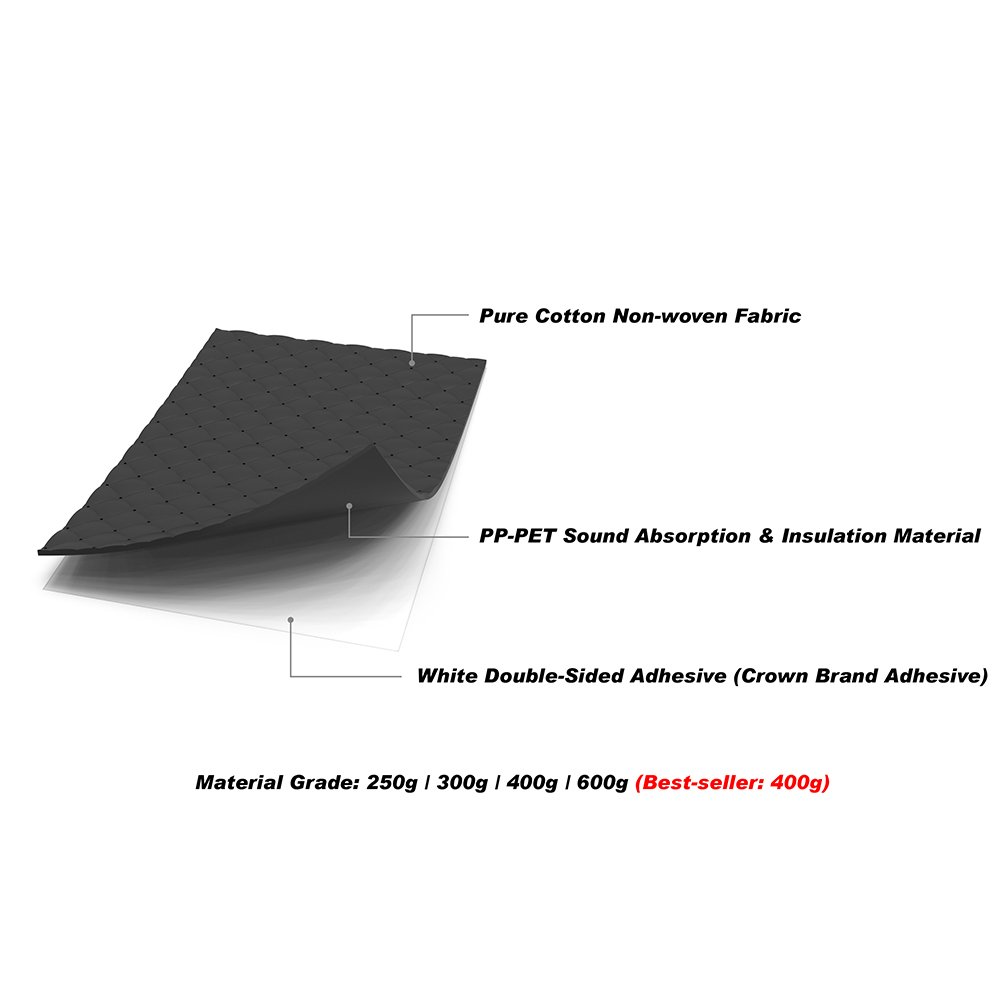
Based on client requirements and our profound understanding of sound-insulating mats, the GCI design team employs a layered, functional design approach. We utilize modeling software to create 3D structural designs and carefully select high-quality raw materials.
Layer | Function | Material | Considerations |
Damping Layer | Suppresses sheet metal vibration | Vibration Damping Sheets (Butyl rubber + Aluminum foil) | Surface density ≥ 1.5 kg/m²; coverage area ≥ 85% of exposed sheet metal |
Sound Barrier Layer | Blocks sound wave transmission | Sound Insulation Cotton (Open-cell fibrous materials such as EPDM, high-density EVA) | Surface density ≥ 3.0 kg/m²; prioritized for use on the firewall and wheel arches |
Sound Absorption Layer | Absorbs residual acoustic energy | Polyester fiber cotton, PET felt, non-woven fabric | Thickness ≥ 10 mm; porosity > 80%; used for the headliner and floor |
Protective Layer | Water and stain resistance | Non-woven fabric / PE film | Compatible with interior trim components; scratch-resistant; suitable for direct exposure |
Our specialized Quality Control team inspects the raw materials used for sound insulation. We design the necessary molds in preparation for prototyping. Once the raw materials have undergone die-cutting and hot-pressing processes, samples are produced. These samples are then subjected to rigorous testing by our clients. Throughout the sample production process, we ensure that all associated documentation is fully traceable:
- <<3D Digital Model File for Sound Insulation Mat>>
- <<BOM (Bill of Materials) — Including Material Supplier Codes>>
- <<Material Environmental Compliance Reports (SGS/CTI)>>
- <<Sample Testing Data Package — Including Spectrograms>>
- <<DFMEA (Design Failure Mode and Effects Analysis)>>
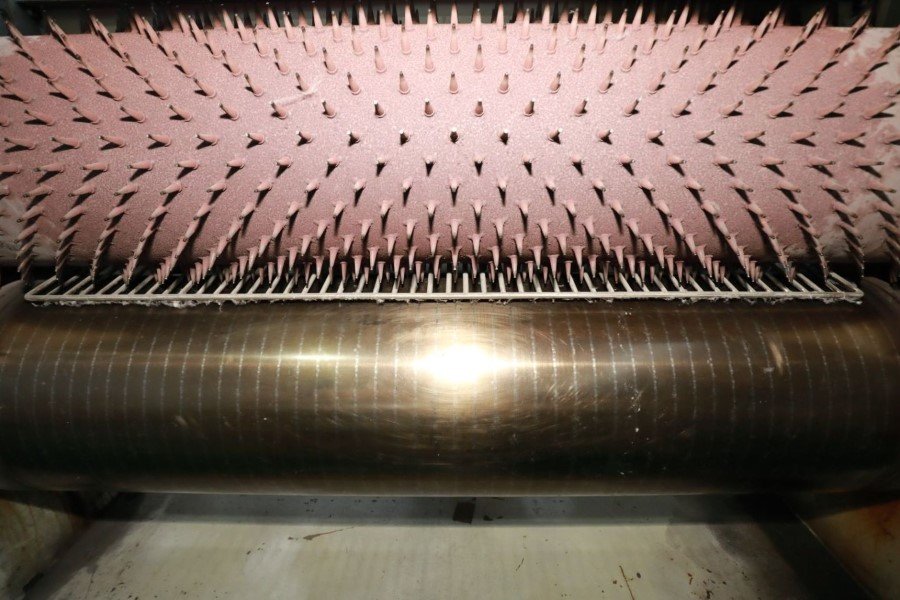

To avoid increasing the vehicle’s body weight, we must carefully consider both the lightweight design of the sound-insulating mats and safety requirements:
- Density Gradient Design
- Fire Safety Standards
- Avoidance of Excessive Sealing
To ensure that users can make optimal use of GCI’s soundproofing mats, we must take into account process compatibility and installation feasibility.
- Surface Contouring
- Clearance Allowance
- Ease of Installation
We never compromise on materials, structure, or performance.Every product is developed with responsibility to our customers’ brands.
- Mold Development: Develop molds based on sample dimensions, ensuring a tolerance of ±0.5 mm.
- Process Validation: Complete Level 4 PPAP (Production Part Approval Process) documentation.
- Production Line Integration: Interface with the client’s final assembly line to ensure precision in robotic gripping, positioning, and application.
- Quality Monitoring: Establish an inline acoustic sampling mechanism (e.g., conducting sound pressure tests on one unit per batch of 50).
- Continuous Improvement: Collect post-sales feedback and optimize material formulations (e.g., enhancing heat resistance up to 120°C).
Why choose GCI
When your project faces special environmental challenges, stringent certification requirements or innovative functional ideas, GCI design team will use the combined capabilities of material science + precision manufacturing to deliver custom soundproofing solutions that exceed expectations.
We have an experienced design team,one-on-one design support team for branded product lines
Stable performance in extreme cold and heat,tier-1 supply chain control,Quality Assurance
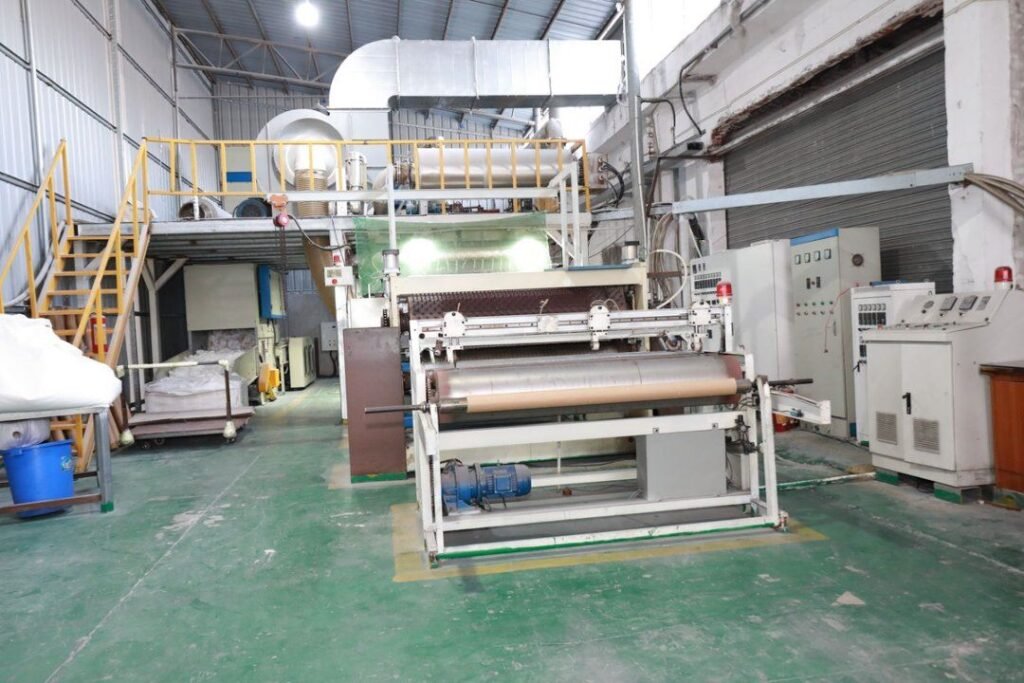
GCI sound deadening factory covers over 6,000 square meters and is equipped with advanced production facilities
GCI products that meet RoHS/REACH requirements in more than 30 countries worldwide,deeply trusted
Designed case
For over a decade, we have supported global brand owners, distributors,
and retailers with reliable, market-ready automotive sound system solutions —
not just products, but systems built for long-term success.

Tesla Model 3 soundproofing solution
The front bulkhead of the Tesla Model 3 utilizes a fiberglass-polyurethane composite panel combined with a sandwich structure; it maintains an extremely low air leakage rate even at wind speeds of 160 km/h, setting a benchmark for the industry
Tesla Model 3 soundproofing solution
The front bulkhead of the Tesla Model 3 utilizes a fiberglass-polyurethane composite panel combined with a sandwich structure; it maintains an extremely low air leakage rate even at wind speeds of 160 km/h, setting a benchmark for the industry
Tesla Model 3 soundproofing solution
The front bulkhead of the Tesla Model 3 utilizes a fiberglass-polyurethane composite panel combined with a sandwich structure; it maintains an extremely low air leakage rate even at wind speeds of 160 km/h, setting a benchmark for the industry
In order to provide better quality and service to meet the needs of customers,our factory and products have passed a lot of inspection and certification, and obtained a lot of certificates
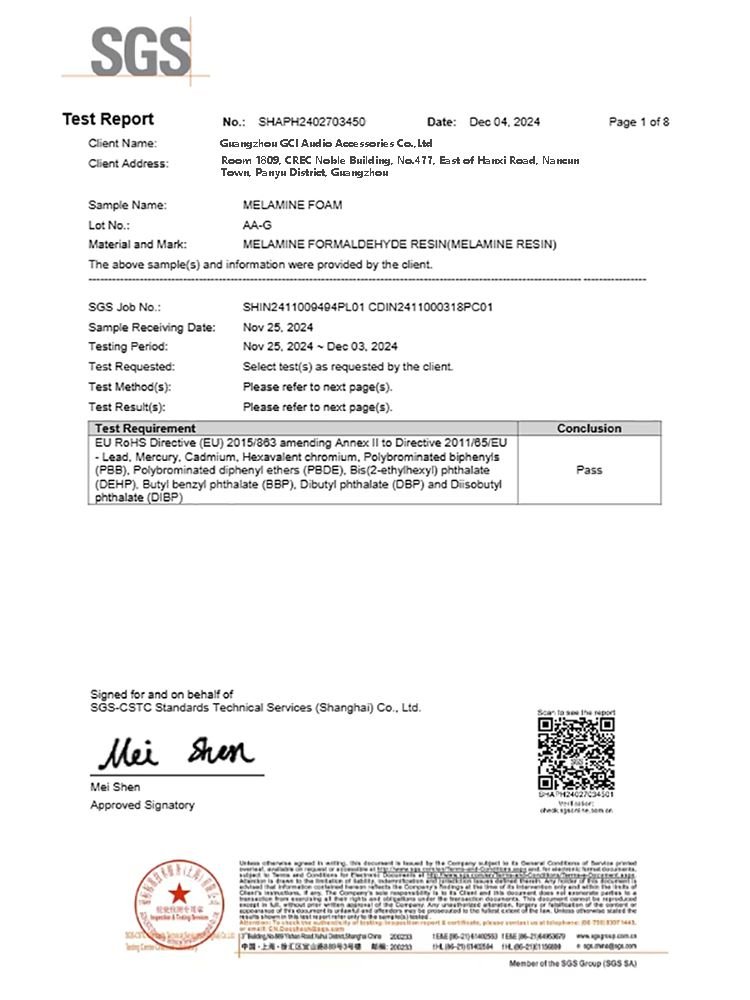
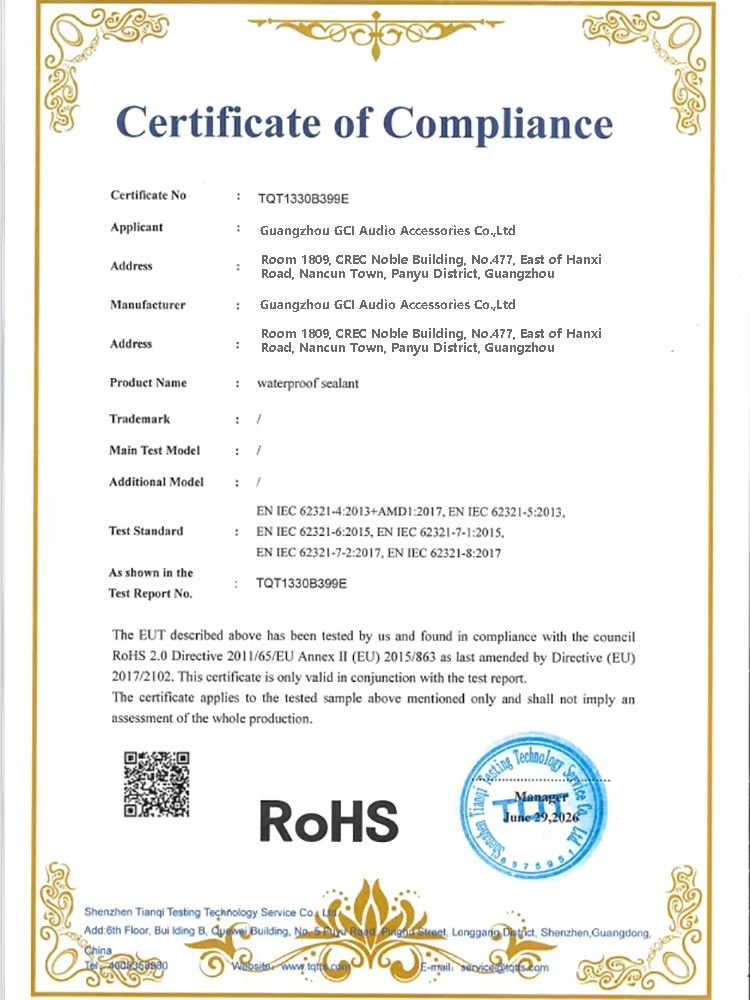
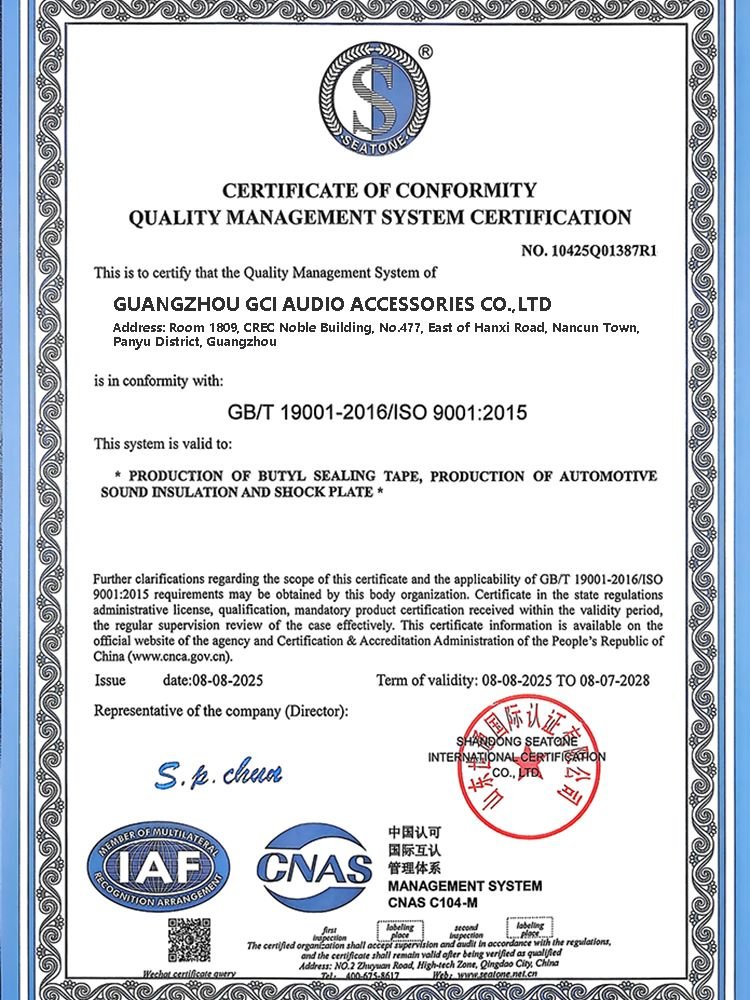
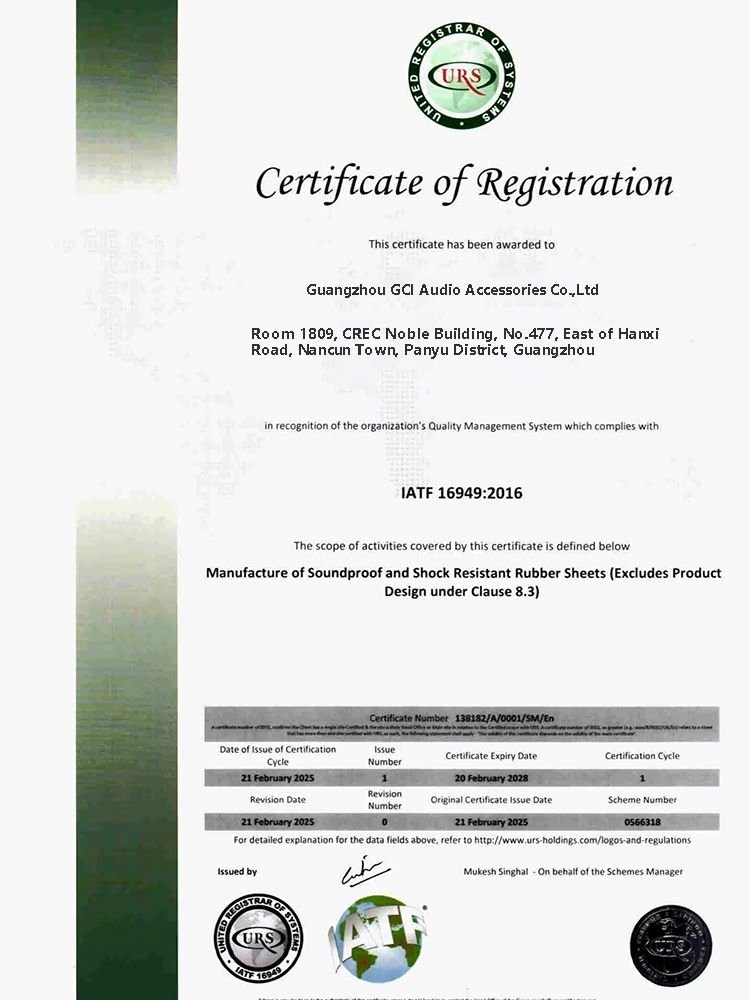
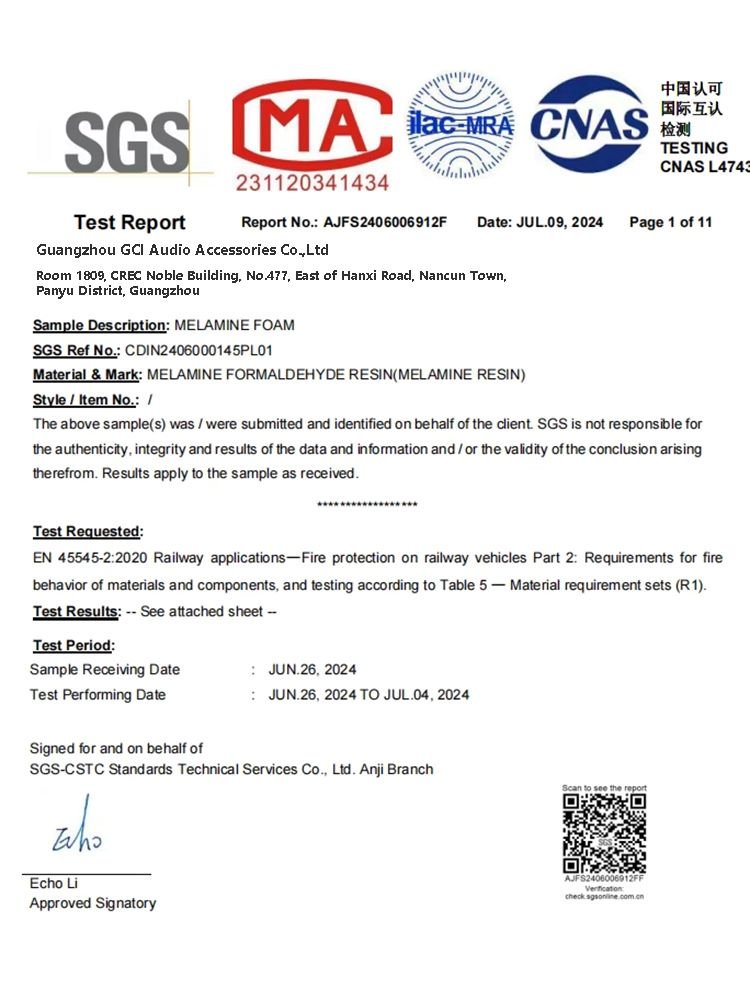
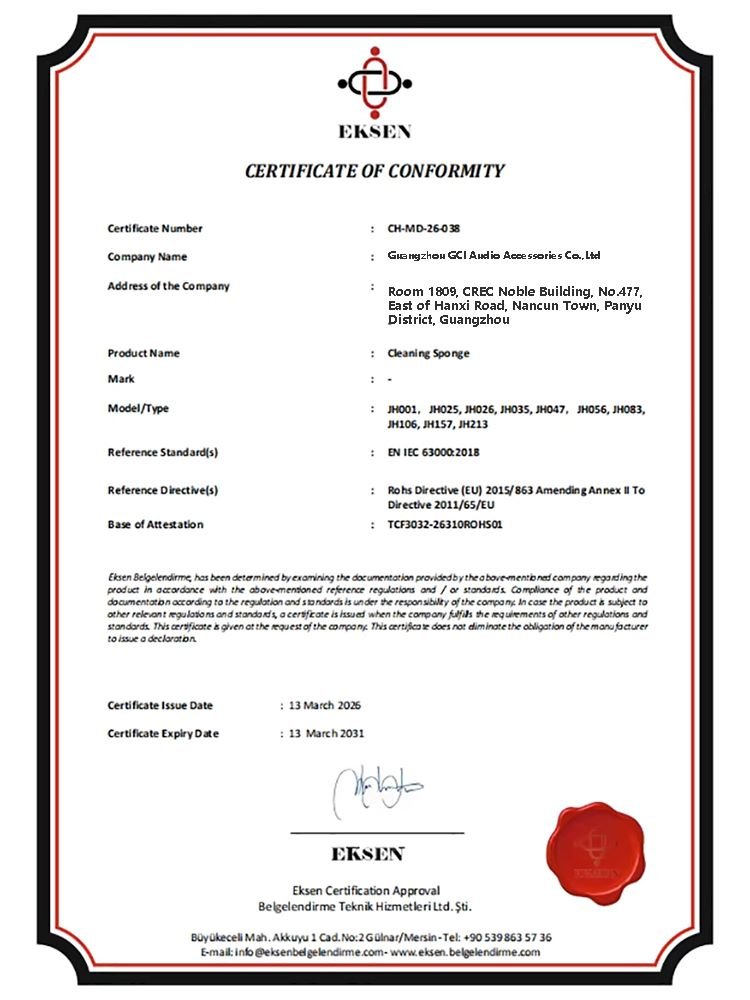
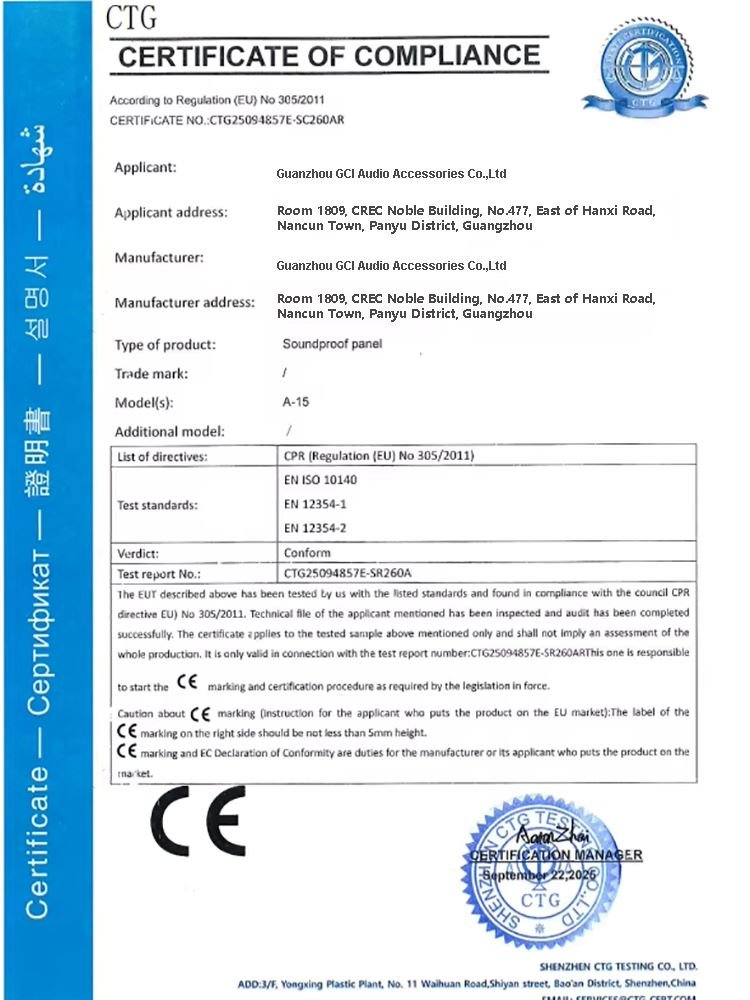
At GCI AUDIO, we believe that quality is the foundation of long-term brand success.
For over a decade, we have supported global brand owners, distributors,and retailers with reliable, market-ready automotive sound system solutions —
not just products, but systems built for long-term success.